Short links for affiliate marketing: disclosure, network rules and tracking
Use short links for affiliate offers without breaking FTC disclosure rules or network terms: what the FTC and Amazon Associates say, and how to track clicks.
Key takeaways
- The FTC treats affiliate commissions as a material connection that must be disclosed clearly and conspicuously, close to the recommendation.
- The FTC says "affiliate link" on its own may not be understood; "paid link" right next to the link should be adequate.
- Amazon Associates allows short links only if it stays clear the link goes to Amazon, and bans cloaking, hiding the referring site and framing Amazon pages.
- Amazon also bars Special Links from printed material and limits them in email and SMS to opted-in recipients, so QR codes on flyers are out.
- Use one short link per placement and per offer, label it honestly, and measure clicks yourself; the network reports the sales.
Affiliate links are long, ugly and full of tracking codes, so shortening them is tempting. That is fine, with two conditions: people must know you earn from the link, and your affiliate network must allow how you shortened it. This guide covers what the FTC and Amazon Associates say, in their own words, and how to track affiliate links without breaking either.
This is general information, not legal advice. Rules change, and other networks have their own terms; we quote only the documents we opened on 23 October 2026.
What does the FTC require for affiliate links?
The FTC’s Endorsement Guides (16 CFR Part 255, as revised in July 2023) say that when there is a connection between an endorser and a seller “that might materially affect the weight or credibility of the endorsement, and that connection is not reasonably expected by the audience, such connection must be disclosed clearly and conspicuously.”
Affiliate commissions are named directly. One example in the Guides describes a blogger who reviews coffee makers and earns “a portion of the sale” through affiliate links; the conclusion is that “the reviews should clearly and conspicuously disclose the compensation.”
The FTC’s question-and-answer page for the Guides adds practical detail:
| Question | What the FTC says |
|---|---|
| Is “affiliate link” enough? | People “might not understand that ‘affiliate link’ means that the person placing the link is getting paid.” |
| What wording works? | “‘Paid link’ right next to an affiliate link should be an adequate disclosure.” “Commissionable link” is “probably not a clear disclosure”, and a “buy now” button would not be adequate. |
| Where should it go? | “The closer the disclosure is to your recommendation, the better.” On Instagram, it should be visible without tapping “more”. |
| Is a separate disclosure page OK? | Many people “won’t click on it and will miss the disclosure.” |
| Is my profile or bio enough? | No: many in the audience will not see it. |
| What about video? | Disclosures in the video description are easy to miss; put the disclosure in the video itself. |
A short link changes none of this. If anything, it raises the bar: a shortened address hides the merchant’s name, so the words around the link have to do the explaining.
What does Amazon Associates say about short links?
Amazon’s Associates Program Policies (updated 14 April 2026) include several rules that touch short links directly. From the Participation Requirements, section 6:
- (w) “You will not use a link shortening service, button, hyperlink or other ad placement in a manner that makes it unclear that you are linking to an Amazon Site.”
- (v) “You will not cloak, hide, spoof, or otherwise obscure the URL of your Site containing Special Links (including by use of Redirecting Links) or the user agent of the application in which Program Content is displayed or used such that we cannot reasonably determine the site or application from which a customer clicks through such Special Link to an Amazon Site.”
- (n) “You will not frame an Amazon Site, or any part of it, within your Site.”
The Commission Income Statement defines a “Redirecting Link” as a link that “sends users indirectly to an Amazon Site via an intermediate site, without requiring the customer to click on a link or take some other affirmative action on that intermediate site”, and lists purchases referred that way among the purchases that do not earn commission. Read that clause together with rule (w), and if you are unsure how it applies to your set-up, ask Amazon Associates support before you rely on a redirect.
Section 4, Promotional Limitations, adds a rule that matters for QR codes: you will not use “any Special Link in connection with any printed material, ebook, mailing, or any oral solicitation”. Special Links are allowed in “emails, SMS and direct messaging from your social media Sites” only when those messages are “solicited (i.e., opted into by the receiving customer)”.
Finally, the Operating Agreement requires a disclosure: “As an Amazon Associate I earn from qualifying purchases”, or a substantially similar statement Amazon has allowed.
What does a good disclosure look like?
Some examples that follow the FTC’s guidance, by placement:
| Placement | Example |
|---|---|
| Blog post, next to the link | “Desk lamp on Amazon (paid link)” |
| Top of a review | “I earn a commission if you buy through the links in this post.” |
| Instagram or TikTok caption | Start with “Ad:” or “#ad”, before the “more” cut-off |
| YouTube video | Say it in the video, and repeat it at the top of the description |
| Newsletter | A line above the first affiliate link, not only in the footer |
| Amazon content | “As an Amazon Associate I earn from qualifying purchases.” |
The FTC’s question-and-answer page says “Ad:”, “Paid ad” or “#ad” at the start of a post “would likely be effective”, and that “Gifted” on its own, without a brand reference, “is likely to be ambiguous”. When in doubt, use plain words a first-time reader would understand.
What does that mean in practice?
Turn those rules into settings:
| Rule | What to do with your short link |
|---|---|
| FTC: clear and conspicuous disclosure | Write “paid link” or “I earn a commission” right next to the link, in the post itself |
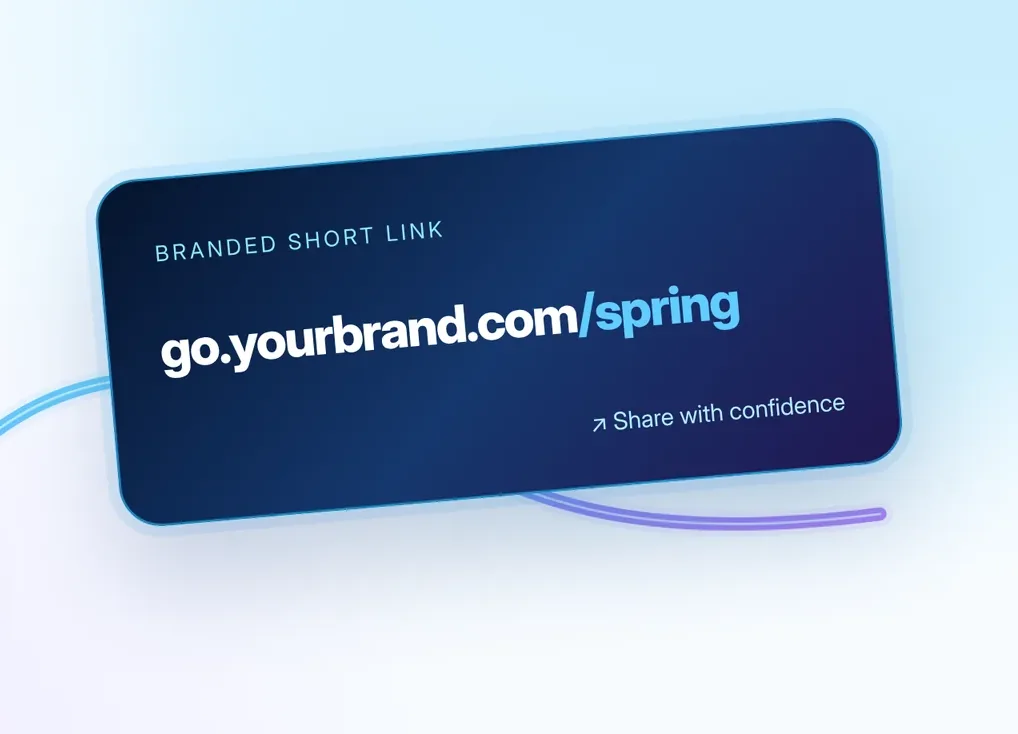
| Amazon (w): clear that it goes to Amazon | Say “on Amazon” in the link text or slug, for example go.yourbrand.com/amazon-desk-lamp |
| Amazon (v): do not obscure the referring site | Do not hide the referrer on Amazon links |
| Amazon (n): no framing | Do not use any “cloaking” feature that shows Amazon inside a frame |
| Amazon: no printed material | No Amazon affiliate links in QR codes on flyers, packaging or posters |
| Amazon: opted-in email and SMS only | Only send to people who subscribed |
| Your network’s terms | Read them; other networks may differ |
If you use BN Shortener (the service behind Shortlen, at b1.lc), two link settings are relevant. Hide referrer stops the destination seeing where the click came from, and cloaking shows the destination in a full-page frame on your own domain. Both have legitimate uses elsewhere, but for Amazon links, rules (v) and (n) point the other way: leave both off.
Why use short links for affiliate offers at all?
Done honestly, short links solve real problems:
- Readable and trustworthy.
go.yourbrand.com/amazon-desk-lampreads better than a 200-character tracking URL, and it tells people both who recommends it and where it goes. - Fix broken offers in one place. Products go out of stock, programmes close, and pages move. If the same link sits in 40 old posts and videos, re-pointing one short link repairs all of them. Our guide to link rot and broken links explains why this matters over years.
- Know which placement works. The network tells you what sold; your short links tell you which video, newsletter or post sent the clicks.
- Spot dead offers early. BN Shortener’s Launch Check tests each destination when a link is created and when it changes: reachability, soft 404 and “domain for sale” pages, redirect chains and HTTPS.
How do I track affiliate links with short links?
Set it up once per campaign:
- Tag the links with the programme or season, such as
amazon, autumn, so you can filter them together. On Pro, campaigns go further, with an Affiliate Program template and goal tracking. - Make one short link per offer per placement. For example
desk-lamp-ytfor the YouTube description anddesk-lamp-newsfor the newsletter. Keep the network’s tracking code in the destination untouched. - Label each link honestly in the slug and the text around it.
- Read the numbers. BN Shortener counts people by default and records bots, crawlers and link previews separately, so automated scanners do not inflate your clicks. You see countries, devices, referrers and time of day per link.
- Compare with the network’s report. Clicks per placement next to commissions per placement shows your real conversion rate by channel.
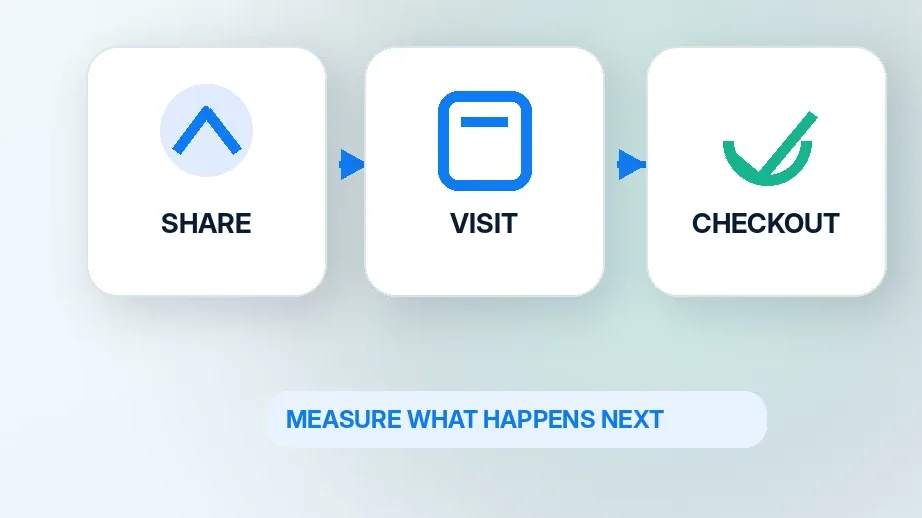
If you sell your own products alongside affiliate offers, BN Shortener’s conversion tracking can tie a sale on your own site, Shopify store or Stripe checkout back to the click. That works for your checkout, not for a merchant’s, so affiliate sales still come from the network. See how to track conversions from short links and the conversions feature page.
For links to your own pages, add UTM tags with the free UTM builder. Do not add UTM tags to a merchant’s affiliate URL unless the network allows it; they belong to the merchant’s analytics, not yours.
Affiliate link checklist
- A clear disclosure (“paid link”, “I earn a commission”) sits next to every affiliate link, in the post or video itself.
- Amazon content includes “As an Amazon Associate I earn from qualifying purchases” or an allowed equivalent.
- The slug or link text makes the destination clear, such as “on Amazon”.
- No hidden referrer, no cloaking frame, no extra redirect hops on network links that forbid them.
- No Amazon affiliate links on printed material or in QR codes for print.
- Emails and SMS with affiliate links go only to opted-in subscribers.
- One short link per offer and placement, tagged by programme.
- You re-check old links every few months and re-point dead ones.
Start free
Short links make affiliate marketing tidier and easier to measure, as long as the disclosure is clear and the network’s rules are kept. Start free at b1.lc: the Free plan includes 100 new short links a month, one custom domain and analytics that count people. Pro ($15 a month, or $144 a year) and Business ($49 a month, or $468 a year) add more links, smart links, pixels, campaigns and exports; see the pricing page. For general link hygiene, read short link best practices.
Sources
- 16 CFR Part 255: Guides Concerning Use of Endorsements and Testimonials in Advertising, eCFR (US Federal Trade Commission rule text), 88 FR 48102, 2023-07-26. Checked 2026-10-23.
- FTC's Endorsement Guides: What People Are Asking, Federal Trade Commission, undated. Checked 2026-10-23.
- Associates Program Operating Agreement, Amazon Associates, 2025-10-15. Checked 2026-10-23.
- Spam (Community Standards), Meta Transparency Center, undated, with change log. Checked 2026-10-23.
- Associates Program Policies, Amazon Associates, 2026-04-14. Checked 2026-10-23.